BER Airport fast track planning needs careful wording in 2026. Travellers often search for “fast track” because they want a quicker security process, a priority lane, a booked time slot or a smoother airport departure. At BER, the practical situation is more specific: not every fast-track idea is the same, and not every past service should be assumed to be available now.
This BER Airport Fast Track Guide explains how passengers should understand fast track, BER Runway, priority-lane access, security control, Terminal 1, Terminal 2, business travel and transfer timing. It is written for passengers who need a realistic airport plan rather than a vague promise of skipping queues.
Important: BER Runway time-slot booking was discontinued in 2026 according to airport information. Security lanes, priority access and airline-related privileges can change. Always check current airport and airline instructions before travel.
BER Airport fast track at a glance
- Airport: Berlin Brandenburg Airport Willy Brandt
- IATA code: BER
- Main terminals: Terminal 1 and Terminal 2
- Main fast-track topics: security control, priority lane, former BER Runway, airline status, business travel and timing
- Key warning: do not assume a free security time-slot system is currently available
- Transfer tip: fast airport access does not replace realistic pickup or drop-off timing
What “fast track” means at BER
At many airports, fast track can mean several different things: a booked security slot, a paid priority lane, airline status access, lounge-related benefits, VIP handling or biometric access. Passengers searching for BER fast track should first identify which kind of faster airport process they mean.
At BER, the most important passenger question is usually security control. A traveller wants to know whether they can move faster from check-in to the airside area. The answer depends on the current airport setup, terminal, ticket, airline, security checkpoint, passenger volume and available services.
For the standard security process, see BER Airport Security Control.
BER Runway status in 2026
BER Runway was known as a security time-slot booking option at Terminal 1. It allowed passengers to reserve access to security and make departure planning more predictable. However, airport information in 2026 states that booking time slots for BER Runway was discontinued.
This is important for passengers reading older travel advice. If an article, forum post or old airport page says that passengers can book BER Runway several days before departure, that information may no longer reflect the current situation. Plan from current airport information, not old screenshots or outdated travel blogs.
Priority lane at BER
Priority-lane access is not the same as a public fast-track booking for every passenger. Priority access can depend on airline ticket, status, product, lounge access, airport setup or current control area. Passengers should check whether their ticket or service actually includes priority access before planning around it.
If a passenger believes they have priority access, they should still arrive with enough time. Priority lane does not remove check-in, baggage drop, security rules, passport control if required, gate walking or boarding deadlines.
Security checkpoints in Terminal 1 and Terminal 2
BER security control is arranged across Terminal 1 and Terminal 2. Passengers should check which terminal their flight uses and follow current signs and waiting-time information. In general, departure gates can be reached after passing the relevant security process, but passengers should still use current airport guidance on the day of travel.
Security waiting times can vary by time of day, holiday periods, passenger volume, airline waves and special circumstances. The best “fast track” strategy is often good preparation: correct terminal, online check-in when possible, baggage plan, documents ready and enough buffer.
For terminal orientation, see BER Airport Terminal 1 Guide, BER Airport Terminal 2 Guide and BER Terminal 1 vs Terminal 2.
Fast track vs normal security
Normal security means using the standard passenger screening process. Fast track or priority access means using a separate or preferred route when available and when the passenger is eligible. But both routes still lead through security control, and both require compliance with baggage and screening rules.
Fast track does not mean passengers can bring prohibited items, ignore liquid rules, arrive after boarding closes or bypass passport control. It can reduce waiting or improve predictability, but it does not remove the airport process.
Who may benefit from fast-track planning?
Fast-track planning is useful for business travellers, frequent flyers, passengers with tight schedules, families, travellers with reduced mobility, passengers with early departures and anyone who wants a more predictable journey through the airport.
The benefit depends on the actual option available. If public time-slot booking is not available, passengers can still improve timing by checking current waiting times, using the correct terminal, preparing security items and booking reliable transport to the airport.
For business travel planning, see BER Airport Business Services Guide.
Business travellers and fast track
Business travellers often search for fast track because they want to protect meeting schedules, calls and boarding times. A faster security process can help, but it must be combined with realistic travel time to BER.
Even if a passenger has priority access, they still need time for check-in, baggage, security, possible passport control, walking to the gate and boarding. For business travellers, the safest plan is to treat fast track as a bonus, not as the core schedule.
Families and fast-track expectations
Families may look for a faster security route because travelling with children, strollers and hand luggage can be stressful. BER has family-oriented support in specific situations, but families should not assume that every fast-track or priority-lane option applies to them.
Parents should plan enough time for check-in, stroller handling, child documents, security, bathroom stops, snacks and walking to the gate. A smoother route helps, but it cannot replace preparation.
For family planning, see BER Airport Family Services Guide.
Accessibility and fast-track planning
Passengers with reduced mobility or assistance needs should not rely on general fast-track advice. Accessibility support and security priority are different processes. If the passenger needs Mobility Service, wheelchair support or help moving through the airport, that should be arranged early and clearly.
Assistance can change airport timing. The passenger may need help from check-in to boarding, through security or after arrival. That plan should be coordinated with the airline, airport assistance and transfer provider.
For accessible travel, see BER Airport Accessibility Guide.
Check-in before fast track
Security access only matters after the passenger is ready to go through security. Many passengers still need airline check-in, baggage drop or document checks first. If check-in is not complete, fast track cannot solve the whole departure process.
Passengers should check whether online check-in is possible, whether baggage drop is required, whether documents need manual verification and when boarding starts. Only after those steps does security timing become the main issue.
For check-in planning, see BER Airport Check-in Guide and BER Airport Airlines Guide.
Baggage and security speed
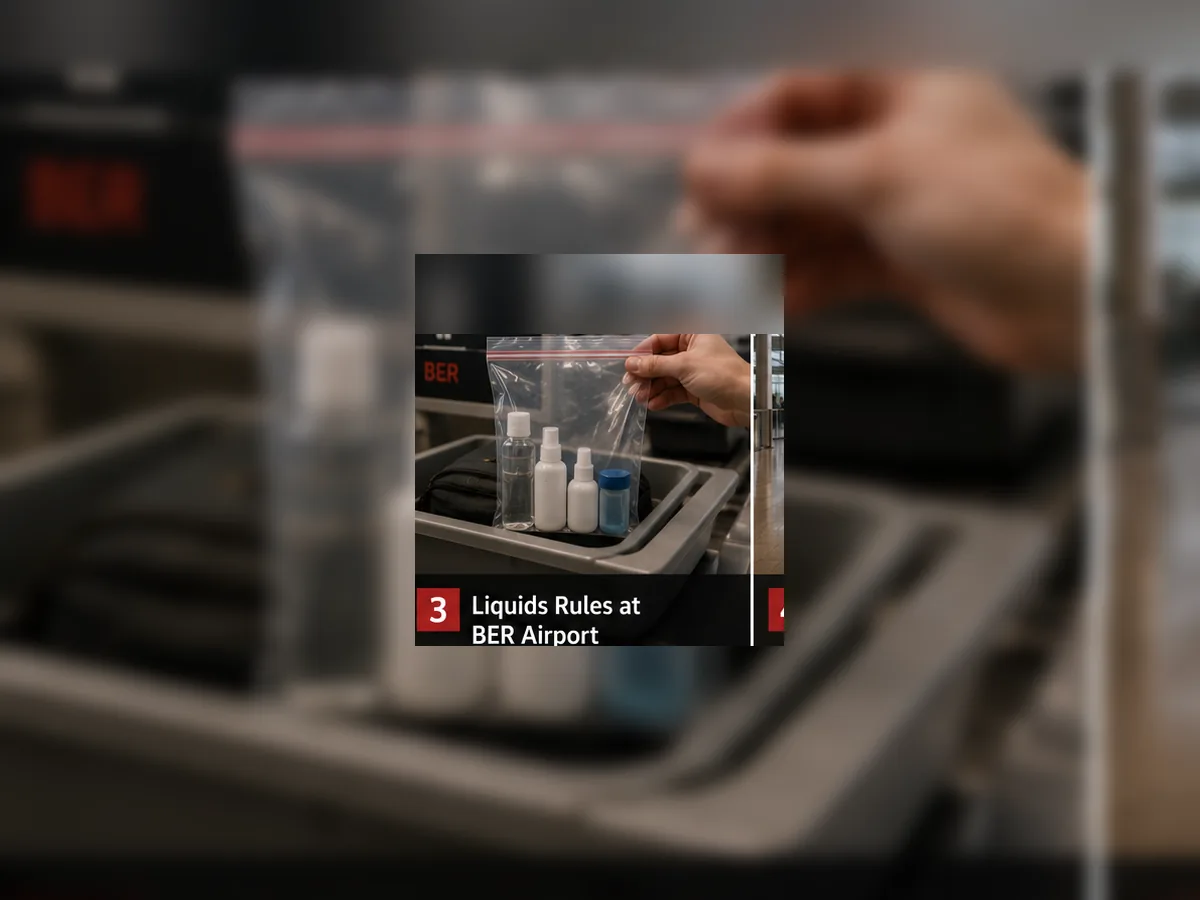
Hand luggage preparation can be the difference between a smooth security process and a delay. Even with priority access, passengers can be slowed down by liquids, electronics, batteries, medical items, food, sharp objects, oversized bags or unclear packing.
Business travellers should keep laptops and chargers easy to reach. Families should prepare baby items and children’s supplies. Passengers with medical devices should keep relevant documentation accessible.
For baggage planning, see BER Airport Baggage Claim Guide and BER Airport Lost Luggage Guide.
Passport control and fast track
Security fast track is not the same as passport control fast track. Passengers flying non-Schengen routes may still need border control after security. This can add time before reaching the gate, especially during busy periods or when additional checks are required.
If a flight requires passport control, do not calculate airport time only from check-in and security. Include border control, gate walking and boarding deadlines.
For border planning, see Passport Control at BER Airport and EES and ETIAS at BER Airport.
Customs and business goods
Fast track is usually discussed for departures, but customs can affect arriving passengers and business travellers carrying equipment, samples or high-value items. A fast security process before departure does not help if the arrival process later includes customs or baggage questions.
Passengers carrying business goods, special equipment or items that may need declaration should plan extra time and keep documentation accessible.
For customs planning, see BER Airport Customs Guide.
Fast track and flight status
Flight status should always be checked before relying on a tight airport plan. A delay may change the urgency, but airline instructions still matter. A gate change or terminal issue can also affect walking time.
For airport pickup after arrival, fast track is mostly irrelevant because the passenger still needs deboarding, passport control if required, baggage claim and customs before meeting a driver.
For flight updates, see BER Airport Flights Guide and BER Airport Flight Status Guide.
Fast track during delays and cancellations
During delays and cancellations, a fast-track plan can lose value quickly. The airline may change check-in instructions, boarding time, gate, aircraft or routing. If the flight is cancelled, passengers may need rebooking or baggage handling rather than security access.
Keep airline messages, boarding passes and booking references available. Update your driver or hotel as soon as the airline confirms a new plan.
For disruption planning, see BER Airport Flight Delays Guide and BER Airport Flight Cancellations Guide.
Opening hours and fast-track timing
Security control, service counters and passenger processes depend on flight operations. A fast-track or priority route is only useful when it is actually available and relevant to the passenger’s flight.
For early morning departures, prepare everything before arriving at BER. For late departures, check current airport status and airline instructions before assuming services will operate exactly as expected.
For timing planning, see BER Airport Opening Hours Guide.
Terminal arrival time with fast track
Passengers sometimes reduce airport arrival time too much when they believe they have fast-track access. This is risky. Fast track may reduce one queue, but it does not control traffic to the airport, check-in, baggage drop, document checks, passport control, gate walking or boarding.
A safer approach is to build a normal buffer and treat faster security as a comfort benefit. This is especially important for families, business travellers, passengers with baggage and non-Schengen flights.
Airport drop-off with fast track
For drop-off to BER, fast-track planning should be included only after the full route is understood: pickup address, road conditions, terminal, airline check-in, baggage, security, passport control and boarding.
If the passenger has priority access or a faster route, the transfer can be timed more confidently, but it should not be cut too close. A late road arrival can still ruin the plan before security even begins.
For drop-off service, see Transfer to BER Airport.
Airport pickup and fast-track confusion
Fast track usually refers to departure procedures, not arrival pickup. A passenger arriving at BER may still need passport control, baggage claim, customs, mobility assistance or lost baggage reporting before leaving the terminal.
Drivers should not assume a passenger is ready immediately after landing. Use the full flight number and wait for updates after landing and baggage claim.
For pickup service, see Airport Transfers from BER Airport and Transfer from BER Airport.
Fast track vs VIP service
VIP service, premium handling and fast-track security are not the same. VIP support may include more coordinated assistance, privacy, baggage help or guided airport movement, depending on the booked service and eligibility.
Passengers who need a premium airport process should arrange it in advance and coordinate it with transfer timing. Do not assume that a standard airport transfer includes airport-side VIP handling.
Fast track vs lounge access
Lounge access can improve waiting time, but it does not automatically mean fast-track security. Some premium products may include additional benefits, but passengers should check exactly what is included.
A lounge is useful only after the passenger has passed the necessary airport steps and still has enough time before boarding. It should not be used as a reason to arrive too late.
How to move faster through BER without fast track
- Check the correct terminal before leaving.
- Complete online check-in if available.
- Use baggage drop correctly and early enough.
- Prepare liquids, electronics and documents before security.
- Check current waiting times at security controls.
- Use the security checkpoint currently recommended by airport information.
- Allow extra time for passport control on non-Schengen routes.
- Book reliable transport to the airport with enough buffer.
What to tell your transfer provider
- Full flight number.
- Departure terminal if known.
- Pickup address and exact destination terminal.
- Number of passengers and luggage amount.
- Whether the passenger travels with hand luggage only.
- Whether passport control is likely for the route.
- Whether the passenger needs assistance or family support.
- Any airline timing or priority-access details that affect the plan.
Common BER fast-track mistakes
- Reading old BER Runway advice and assuming it is still valid.
- Thinking fast track removes check-in or baggage drop.
- Confusing priority lane with public time-slot booking.
- Forgetting passport control after security.
- Arriving too late because the passenger expects no queue.
- Not preparing hand luggage before security.
- Using fast-track logic for arrival pickup timing.
- Not checking current airline and airport information before travel.
BER fast-track checklist
- Check whether any fast-track or priority option is currently available to you.
- Do not rely on discontinued or outdated BER Runway information.
- Confirm Terminal 1 or Terminal 2.
- Check airline check-in and boarding rules.
- Prepare hand luggage and documents before security.
- Check security waiting times on the day of travel.
- Add passport control time for non-Schengen flights.
- Book airport transfer timing with a realistic buffer.
FAQ
Is BER Runway still available for booking?
Airport information in 2026 states that BER Runway time-slot booking was discontinued. Passengers should check current airport information before relying on any time-slot service.
Does BER have a fast-track security lane?
BER has priority-lane access in specific situations, but eligibility can depend on ticket, airline, service, terminal and current airport setup. It is not the same as a public fast-track booking for everyone.
Can I use any security checkpoint at BER?
Passengers should follow current airport signs and waiting-time information. BER indicates that gates can be reached from security checkpoints in Terminal 1 and Terminal 2, but passengers should still plan by terminal and current guidance.
Does fast track replace early arrival?
No. Fast track may help with one part of the airport process, but passengers still need time for check-in, baggage, security rules, passport control if required, gate walking and boarding.
Should I tell my driver about fast-track access?
Yes, but only as supporting information. The driver still needs the full flight number, pickup address, terminal, passenger count and luggage details. Transfer timing should not rely only on fast-track access.
Plan your BER transfer with realistic timing
Fast track can help when available, but the safest BER airport plan combines current flight information, terminal, airline rules, baggage, security and road timing. For BER drop-off or pickup with business travel, family travel, early departure or late arrival, use online booking to arrange the route, vehicle and pickup details in advance.