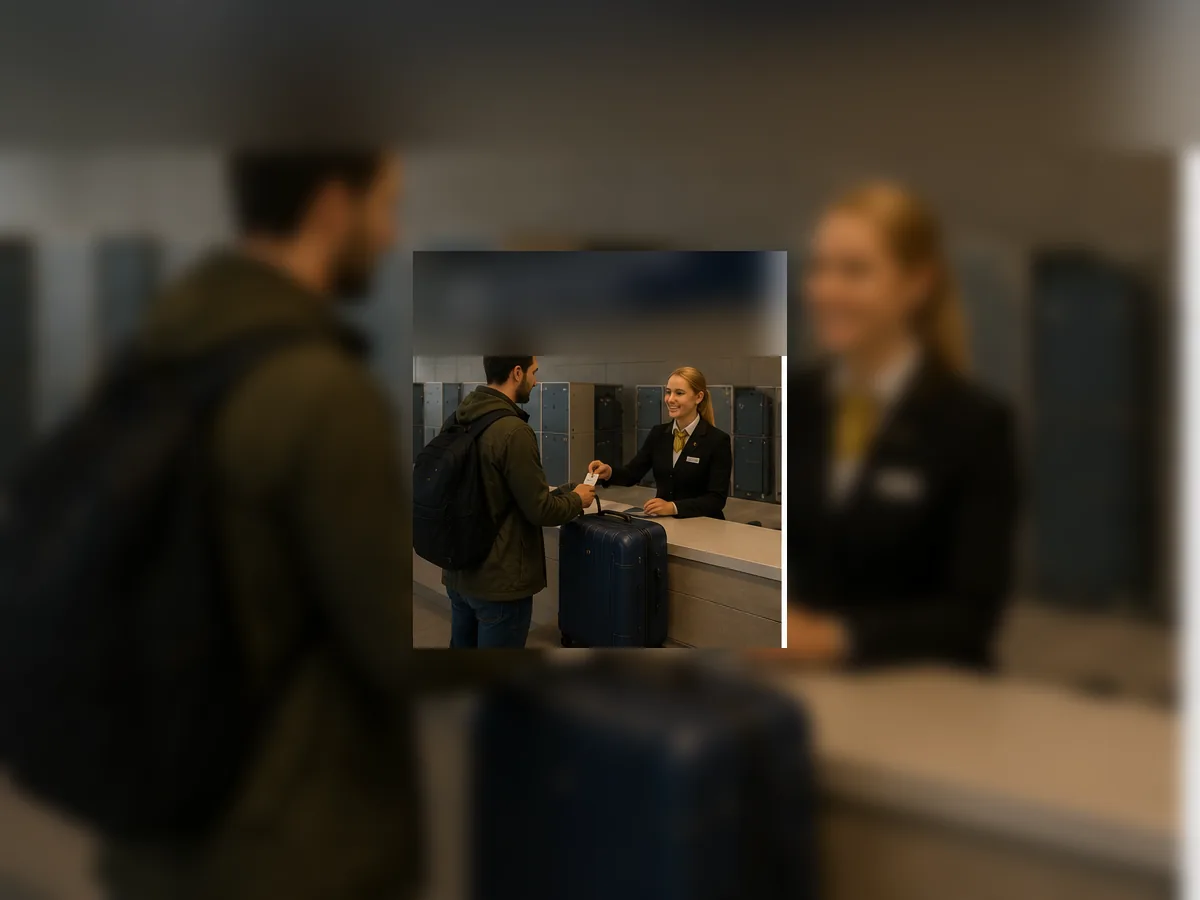
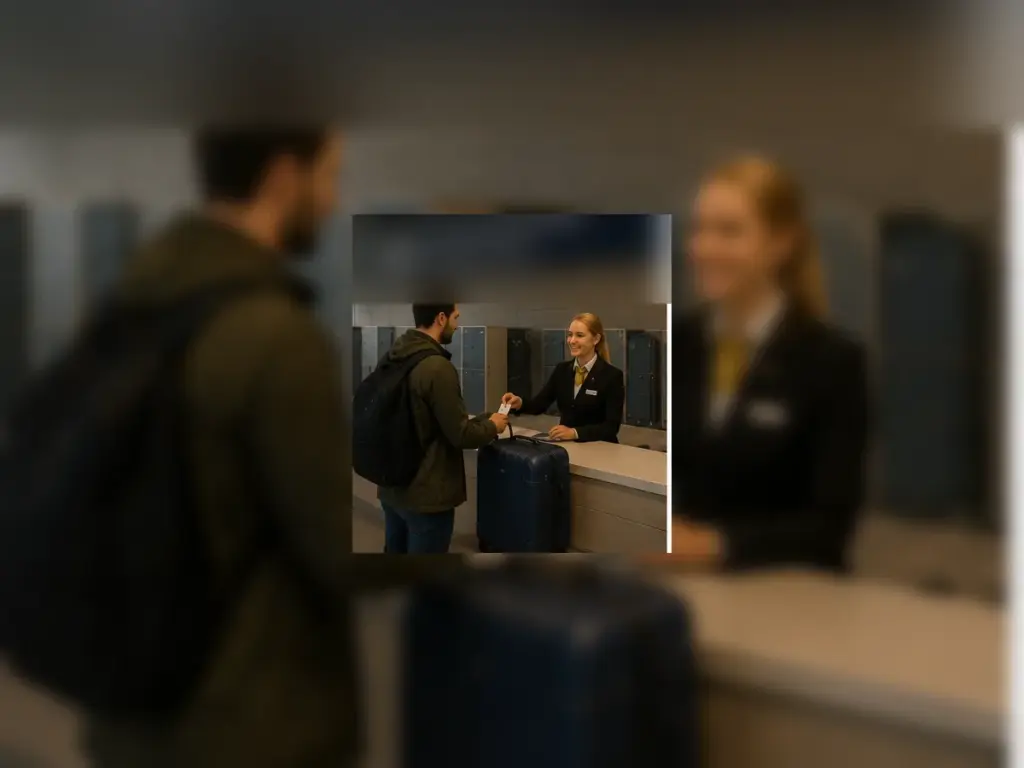
BER Airport facilities are spread across Terminal 1, Terminal 2, the public areas, security areas, arrivals, departures, the train-station level and service points. For passengers, the most important facilities are not only shops and restaurants. They also include information counters, baggage services, lost property, security areas, lounges, parking, hotels, public transport access and transfer meeting points.
This BER Airport facilities guide explains what passengers should know before using the airport, how Terminal 1 and Terminal 2 facilities differ, where service planning matters, and how airport facilities can affect check-in, arrival timing, baggage, late-night travel and airport transfers.
Important: facility locations, opening hours and availability can change by flight operation, terminal, season, public holiday or service provider. Always check current airline and airport information before travelling.
BER Airport facilities at a glance
- Airport: Berlin Brandenburg Airport Willy Brandt
- IATA code: BER
- Main terminals: Terminal 1 and Terminal 2
- Facility areas: public area, security area, arrivals, departures and train-station level
- Key facilities: shops, restaurants, information counters, baggage services, lost property, lounges, parking and transport access
- Transfer tip: plan around terminal, luggage, flight status and real walking time
Terminal 1 facilities
Terminal 1 is the main orientation point at BER. Many facilities are located in or around Terminal 1, including shops, restaurants, information counters, baggage-related services, the train-station connection and public-area services.
For passengers departing from Terminal 1, this can make orientation easier: check-in, security, food, shops and many service points are part of the same main terminal experience. For arriving passengers, Terminal 1 also gives access to public transport, parking, pickup areas and the station level.
For Terminal 1 details, see BER Airport Terminal 1 Guide.
Terminal 2 facilities
Terminal 2 is connected to Terminal 1 by a walking route. Passengers using Terminal 2 should still check which facilities they need before travel, because some airport services and public transport connections may involve walking toward the Terminal 1 area.
This is especially important for passengers with large luggage, children, elderly travellers or tight timing. Terminal 2 can be convenient, but passengers should include walking time when using facilities, the train station, lounges or meeting points outside the terminal.
For Terminal 2 details, see BER Airport Terminal 2 Guide and BER Terminal 1 vs Terminal 2.
Public area vs security area
BER facilities are divided between public areas and security areas. Public-area facilities can be used before check-in, by arriving passengers and by people meeting travellers. Security-area facilities are accessible only after passengers pass security with a valid boarding pass.
This matters for planning. If you arrive too early and cannot yet pass security, a restaurant after security is not useful. If someone is waiting for an arriving passenger, public-area facilities are more relevant than departure-area shops.
Shops at BER Airport
BER has shops in public and security areas. Terminal 1 includes a central shopping area after security, while public-area shopping can be useful before check-in or after arrival. Individual shops have their own opening hours and product focus.
Passengers should not assume every shop is open at every time of day. For early departures, late arrivals or public holidays, prepare essential items before reaching the airport if they are critical.
For time planning, see BER Airport Opening Hours Guide.
Restaurants, cafés and food options
Food facilities at BER include cafés, restaurants, takeaway options and food areas connected to passenger flows. Terminal 1 has a larger concentration of food and shopping facilities, especially around the main post-security areas.
If you travel with children, dietary requirements or medication needs, do not rely only on last-minute airport food. Opening hours and queues can vary, and some options may be located after security rather than before it.
Airport information counters
Airport information counters help with orientation, general airport questions and passenger guidance. They are useful if you need directions to terminals, transport, baggage services, service points or meeting areas.
For airline-specific questions such as rebooking, refund, baggage allowance, ticket changes or cancellation handling, the airline remains the main contact. Airport information can guide you, but airline decisions are normally handled by the airline or its service partner.
For airline planning, see BER Airport Airlines Guide.
Baggage facilities
Baggage facilities can matter before departure and after arrival. Passengers may need baggage drop, oversized baggage handling, baggage storage, baggage claim or help with delayed or damaged luggage.
If you travel with sports equipment, musical instruments, professional tools, child seats or several large suitcases, allow more time and choose transport with enough luggage capacity. Baggage can also affect walking time between terminal, station, parking and pickup point.
For baggage planning, see BER Airport Baggage Claim Guide and BER Airport Lost Luggage Guide.
Baggage storage
Baggage storage can be useful if you have a long wait, a city visit before a flight, a late hotel check-in or a schedule gap between transport and departure. It is also useful when heavy luggage would make moving around the airport or city inconvenient.
Before relying on storage, check availability, opening hours, pricing and what items are accepted. Some luggage types, valuables or restricted items may need special attention.
Lost property and lost baggage
Lost property and lost baggage are not the same. If you lose an item inside the airport terminal, the airport lost property process may be relevant. If checked baggage is delayed, damaged or missing after a flight, the airline or baggage handler is usually the correct contact.
Passengers should keep baggage tags, boarding passes, reports and reference numbers until the issue is resolved. If a pickup is waiting, tell the driver before starting the baggage report because the process can add time.
Lounges at BER
Lounges can be useful for business travellers, long waits, early arrivals before departure or passengers who want a quieter place to work. Lounge access depends on product, ticket, booking, availability and terminal movement.
If your flight departs from Terminal 2 and you plan to use a lounge in the Terminal 1 area, include enough walking time. Lounge comfort does not replace the need to reach security, passport control if required and the gate on time.
Sleeping cabins and rest options
Rest facilities can be helpful during longer waits, late-night arrivals or very early departures. Passengers should check availability, location and booking rules before relying on them.
If you have a long overnight gap, compare rest options with nearby airport hotels and transport plans. For families, groups or passengers with heavy luggage, a hotel or direct transfer may be easier than staying inside the airport area.
For accommodation planning, see BER Airport Hotels Guide.
Security control facilities
Security control is part of the departure process, not a general waiting area. Passengers need to pass security before using post-security facilities and gates. Security timing can depend on flight operations, passenger volume, terminal and time of day.
Do not plan to use post-security facilities unless you have enough time after check-in, baggage drop and security. If your route also requires passport control, include that time before the gate.
For security planning, see BER Airport Security Control.
Passport control and customs facilities
Passport control and customs are separate from normal shops and services, but they strongly affect real passenger timing. Non-Schengen routes can involve passport control. Arrivals from outside the European Union or passengers carrying goods that need declaration may need customs steps.
If you are meeting someone at BER, remember that a passenger can land on time but still need border control, baggage claim and customs before reaching the public arrivals area.
For border and customs planning, see Passport Control at BER Airport, EES and ETIAS at BER Airport and BER Airport Customs Guide.
BER train station and transport facilities
The BER train station is located below Terminal 1. This makes rail access convenient for many passengers, but the full route still depends on terminal, luggage, walking distance, time of day and final destination.
Terminal 2 passengers should include walking time between Terminal 2 and the station area. Passengers with luggage, children or group travel should compare public transport with a direct transfer before deciding.
For rail orientation, see BER Airport Train Station Guide.
Parking and pickup facilities
Parking and pickup facilities matter for both departures and arrivals. Drivers should not enter paid parking too early when meeting an arriving passenger because baggage claim, passport control and customs can add time after landing.
For departures, passengers should include time for parking, unloading, terminal walking and finding the correct check-in area. For arrivals, the passenger should update the driver after baggage claim and when ready to meet.
For parking planning, see BER Airport Parking Guide.
Facilities for early departures
Early departures need careful facility planning. Check-in counters, baggage drop, security and food options may not all align with your preferred timing. Passengers should follow airline instructions and prepare essentials before leaving for the airport.
If you travel early with children, business equipment or special baggage, add extra time. A direct transfer can reduce road uncertainty, but the airport process still needs a proper buffer.
For departure planning, see BER Airport Departures Guide, BER Airport Check-in Guide and Transfer to BER Airport.
Facilities for late arrivals
Late arrivals require a different plan. Food, shops, hotel check-in, public transport and service availability may be more limited. Baggage delays or passport control can push the exit time even later.
If you arrive late, keep your phone charged, share your flight number and update your driver after landing and baggage claim. Do not rely only on the scheduled landing time.
For late-arrival planning, see Late-Night Arrival at BER Airport and Transfer from BER Airport.
Facilities during delays and cancellations
During delays and cancellations, facilities become part of disruption management. Passengers may need food, seating, airline service desks, baggage information, hotels, transport back to Berlin or a quiet place to wait.
The airline usually handles rebooking, refund, rerouting and passenger assistance. Keep airline messages, receipts, booking references and baggage tags. Update your driver or hotel as soon as the plan changes.
For disruption planning, see BER Airport Flight Delays Guide and BER Airport Flight Cancellations Guide.
Facilities and flight status
Flight status affects how passengers use airport facilities. A delayed departure may create extra waiting time inside the terminal. A changed gate or terminal can change walking time. A landed flight does not mean the passenger is ready for pickup.
Check flight status repeatedly, especially before leaving for the airport or sending a driver to wait. Use the full flight number, not just the destination or airline name.
For flight updates, see BER Airport Flights Guide and BER Airport Flight Status Guide.
Airport pickup and facilities
For pickup from BER, facilities affect timing. Passengers may stop for baggage storage, lost property, a shop, food, bathroom, passport control, customs or baggage reporting before leaving the airport.
If you book a transfer, tell the driver if you expect any extra airport steps. This is especially important for non-EU arrivals, lost baggage, large luggage, late-night arrivals or passengers travelling with children.
For pickup service, see Airport Transfers from BER Airport and Transfer from BER Airport.
Airport drop-off and facilities
For drop-off to BER, the most important facilities are check-in, baggage drop, security, passport control if required and the gate. Shops and restaurants are secondary; they are useful only if the passenger has enough time after required airport steps.
Choose pickup time by working backwards from flight departure, airline check-in rules, luggage needs, security, terminal walking and road travel. Do not reduce airport buffer because you expect the facilities to be quick.
Common BER facilities mistakes
- Assuming all facilities are in the same terminal.
- Forgetting that some services are after security only.
- Arriving too early for airline check-in or too late for baggage drop.
- Using scheduled landing time as exact pickup time.
- Ignoring walking time between Terminal 2 and Terminal 1 facilities.
- Not checking shop or restaurant availability for early or late travel.
- Confusing lost property with airline baggage claims.
- Not updating the driver after baggage, customs or service delays.
BER facilities checklist
- Confirm Terminal 1 or Terminal 2.
- Check whether the facility is public area or after security.
- Check airline rules for check-in and baggage drop.
- Allow time for security and passport control if required.
- Prepare essentials before early departures or late arrivals.
- Keep baggage tags and documents accessible.
- Use the full flight number for pickup or drop-off planning.
- Tell the driver if you need extra time for airport facilities.
FAQ
Are most BER facilities in Terminal 1 or Terminal 2?
Many key facilities are connected with Terminal 1, while Terminal 2 is within walking distance. Passengers should check the exact terminal and facility location before travel.
Can Terminal 2 passengers use Terminal 1 facilities?
Some Terminal 1 facilities can be useful for Terminal 2 passengers, but walking time must be included. This is important for lounges, the station area, baggage services and meeting points.
Are shops and restaurants before or after security?
Both exist. Some facilities are in the public area and some are after security. Passengers should check access before relying on a specific shop or restaurant.
Where should I go for lost baggage?
Lost or damaged checked baggage is usually handled by the airline or baggage service. Lost property inside the airport terminal is a separate process.
Can facilities affect my airport transfer?
Yes. Baggage services, lost property, customs, food stops, walking routes and terminal changes can all affect pickup or drop-off timing.
Plan your BER transfer around real airport facilities
BER facilities are useful, but they also affect timing. For pickup or drop-off connected to Terminal 1, Terminal 2, baggage, late arrivals or early departures, use online booking to arrange the route, vehicle and pickup details in advance.